Choosing fabrics for healthcare environments comes down to five criteria: hygiene (a non-absorbent, fluid-proof surface with an antimicrobial finish), cleanability (compatibility with your disinfection protocol), fire safety (a contract rating appropriate to the setting), durability (abrasion resistance measured in Martindale rubs), and chemical compliance (REACH conformity and phthalate-free construction). Get these right and you have a surface that survives repeated disinfection, resists cross-contamination, and lasts through years of high-turnover use. A coated performance fabric engineered for clinical settings is almost always the correct answer over a woven textile.
Hygiene and infection control
In a clinical setting, the upholstery surface is a potential reservoir for pathogens. The single most important property is a non-absorbent, fluid-proof surface. Woven fabrics wick and hold liquids — blood, bodily fluids, spilled medication — deep into the fibres where they cannot be reliably removed. A polyurethane- or PVC-coated fabric presents a closed, impermeable face that liquids sit on top of, so they can be wiped away before they penetrate.
Beyond the physical barrier, healthcare fabrics should carry an antimicrobial finish that inhibits the growth of bacteria, fungi and mould on the surface between cleaning cycles. The relevant international test methods are:
- ISO 22196 — measures antibacterial activity on plastic and other non-porous surfaces.
- ISO 20743 — determines antibacterial activity of textile products.
An antimicrobial finish is a supplement to good cleaning practice, never a replacement for it. You can see the full range in our healthcare fabrics collection.
Cleanability and disinfection
This is the make-or-break criterion. A fabric can be beautiful, durable and antimicrobial, but if it degrades when your infection-control team wipes it down with the disinfectant they are mandated to use, it will fail in service. The decisive question is not "can it be cleaned?" but "is it validated against my disinfection protocol?"
Most healthcare cleaning regimes rely on two chemistries:
- Alcohol-based wipes and solutions (typically 70% isopropyl alcohol) for routine surface disinfection.
- Diluted sodium hypochlorite (bleach) for terminal cleaning and outbreak response, where a stronger agent is required.
Bleach is the harshest agent a coated fabric routinely faces — it can discolour, embrittle or break down a coating that has not been formulated to withstand it. Specify only fabrics that state an explicit bleach dilution, contact time and rinse procedure, and follow it exactly. We cover this in detail in our guide to bleach cleaning.
Ask your supplier for a written cleaning and disinfection instruction sheet as part of the specification. If they cannot provide one, treat that as a red flag.
Fire safety
Contract healthcare seating is subject to stricter fire regulations than domestic furniture. In the UK, upholstery is tested to BS 5852, which describes ignition sources of increasing severity. Seating in hospitals, care homes and other higher-risk premises typically needs a severe-hazard rating — BS 5852 Crib 5 — rather than the lower match and cigarette sources sufficient for domestic use.
A crucial point that specifiers often miss: fire performance is a property of the composite, not the fabric alone. Certification depends on how the cover fabric behaves in combination with the specific filling and interliner behind it. A fabric that passes over one foam may not pass over another.
- Confirm the required ignition source with the project's fire strategy or the relevant building regulations.
- Ask for test evidence covering the fabric over the intended filling, or arrange for the composite to be tested.
- Consider whether a fire-retardant barrier or interliner is needed to achieve the target rating.
Durability
Healthcare furniture endures heavy, repeated use and aggressive cleaning, so abrasion resistance matters. The standard measure is the Martindale test (EN ISO 12947), which reports the number of rubs a fabric withstands before showing wear. Broadly:
- Patient-room and lower-traffic seating can be served by a general contract-grade fabric.
- High-turnover areas — waiting rooms, A&E, day-surgery recovery, communal care-home lounges — demand the highest abrasion class you can specify.
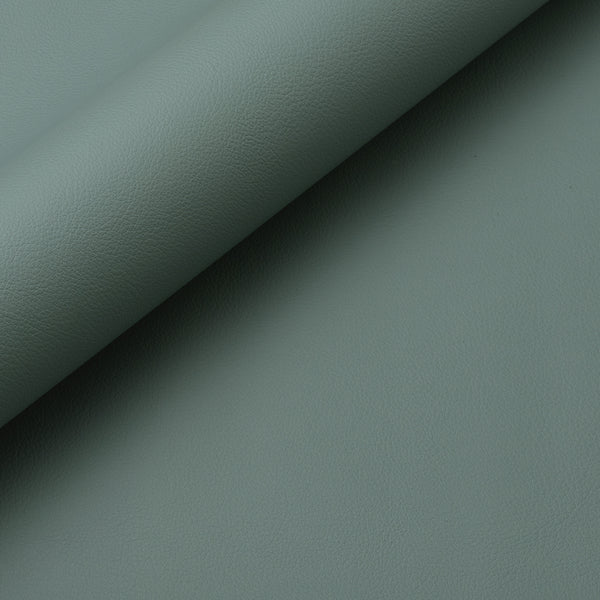
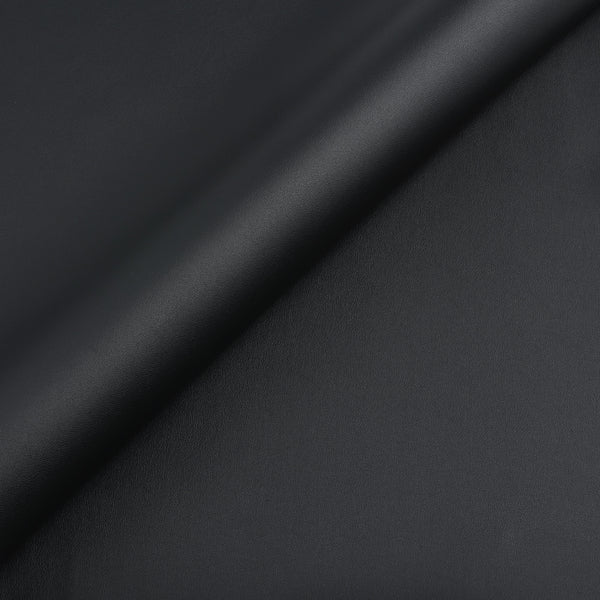
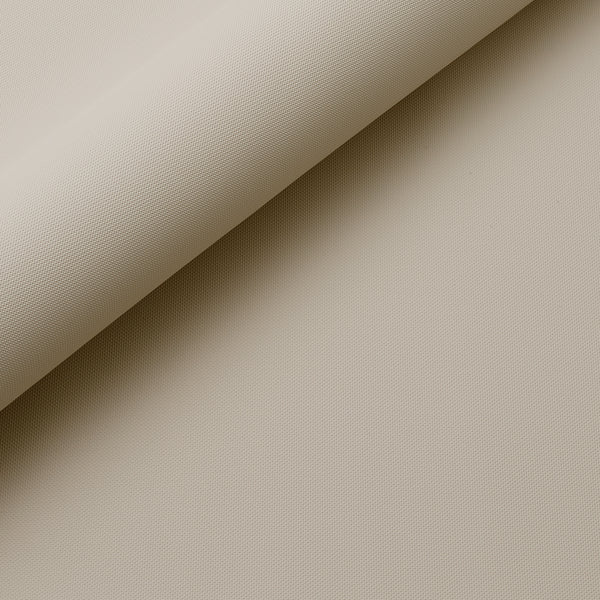
For coated fabrics, also consider coating adhesion and resistance to cracking and hydrolysis, since these often determine real-world lifespan more than the raw rub count. Our clinical ranges are grouped under medical fabrics, including Mediflex, Electra and Flora.
Compliance and chemical safety
Vulnerable patients — the immunocompromised, the elderly, neonatal and paediatric populations — are in prolonged skin contact with upholstery, so the chemistry of the fabric itself matters.
- REACH — the fabric should conform to the EU regulation on the Registration, Evaluation, Authorisation and Restriction of Chemicals, which restricts substances of very high concern.
- Phthalate-free — plasticisers historically used to soften coated fabrics are subject to restriction; a phthalate-free construction avoids these entirely.
Request the relevant declarations of conformity as documentation, not just a marketing claim.
Comfort and patient experience
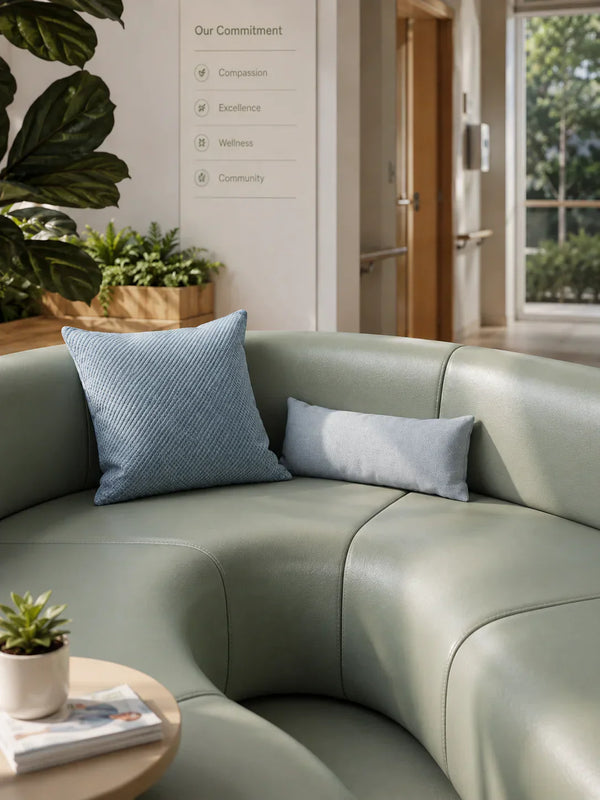
A wipe-clean surface no longer has to feel clinical. Modern coated performance fabrics offer a much softer hand than the cold, plasticky vinyls of the past, which improves both comfort and the perception of care. Two factors shape the patient experience:
- Hand and warmth — a softer, warmer surface is more comfortable during long stays and less institutional in feel.
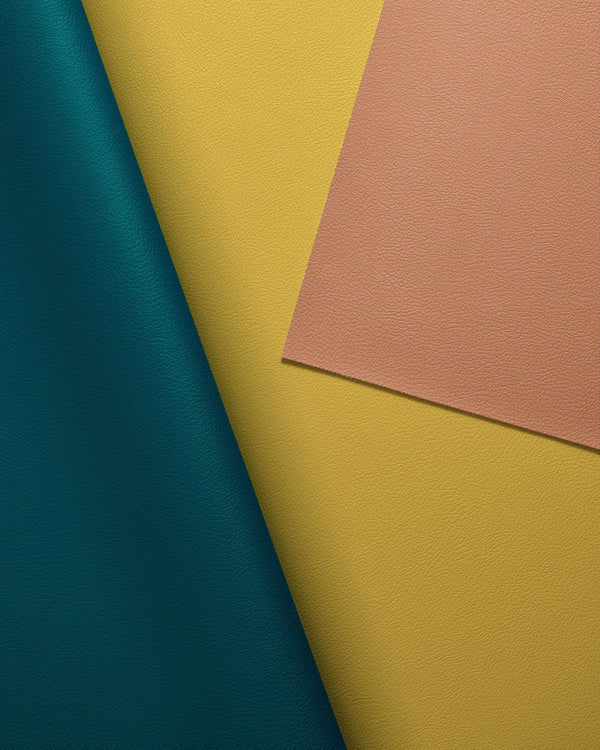
- Colour range — a broad palette lets specifiers create calming, reassuring interiors and use colour to aid wayfinding and dementia-friendly design.
A specification checklist
Use this as a reusable checklist when specifying healthcare upholstery:
- Non-absorbent, fluid-proof coated surface.
- Antimicrobial finish tested to ISO 22196 or ISO 20743.
- Written cleaning and disinfection instructions, including the maximum permitted bleach dilution and contact time.
- Validated compatibility with your alcohol and bleach protocols.
- Fire certification to the required BS 5852 source (commonly Crib 5) over the intended filling.
- Martindale abrasion class appropriate to the traffic level (EN ISO 12947).
- REACH conformity and phthalate-free construction, with declarations supplied.
- Colour and texture options suited to the interior scheme.
- Warranty terms confirmed in writing.
Frequently asked questions
Can healthcare upholstery be cleaned with bleach?
Yes — provided the fabric is formulated for it and you use the correct dilution and contact time. Bleach is the most aggressive agent a coated fabric routinely encounters, so always follow the manufacturer's written instructions and rinse as directed. Our bleach cleaning guide explains the method.
What Martindale rating do I need for a hospital chair?
It depends on traffic. Patient-room seating can use a general contract-grade fabric, while high-turnover areas such as waiting rooms and A&E warrant the highest abrasion class available. For coated fabrics, coating durability and hydrolysis resistance matter as much as the raw rub count.
Are these fabrics antimicrobial?
Healthcare-grade coated fabrics typically carry an antimicrobial finish that inhibits bacteria, fungi and mould on the surface, tested to ISO 22196 or ISO 20743. This supports, but never replaces, a proper cleaning regime.
Is a coated fabric better than a woven textile for clinical use?
For most clinical applications, yes. A coated fabric presents a closed, fluid-proof surface that can be wiped and disinfected, whereas a woven textile absorbs and retains fluids. Wovens still have a place in lower-risk, non-clinical areas where wipe-clean performance is not required.
Specifying for healthcare means balancing hygiene, safety, durability and comfort — and backing every claim with documentation. If you would like sample swatches, test certificates or help matching a fabric to your project's fire and cleaning requirements, explore our healthcare fabrics collection and medical fabrics range, or get in touch with our technical team.
Related fabrics
Continue reading
All articles →
Need help specifying a fabric?
Tell us about your project and our team will recommend the right fabric and send samples.
Get in touch